







Materials Testing & Chemical Analysis Laboratory
From chemical composition and deformulation to failure analysis and materials characterization, Anysis helps manufacturers turn complex material questions into clear technical decisions.
- 24-48 hrs Fast Turnaround
- 99.8% Precision Accuracy
- CNAS / ISO Certified Standard
Our Laboratory at a Glance
Anysis Laboratories combines advanced analytical technologies with experienced technical specialists to support materials testing, compositional analysis, deformulation, failure investigation, and material characterization.
Experts
Rate
Core Laboratory Services
Targeted testing and analytical support for complex material, formulation, quality, and product performance challenges.
Explore All Services
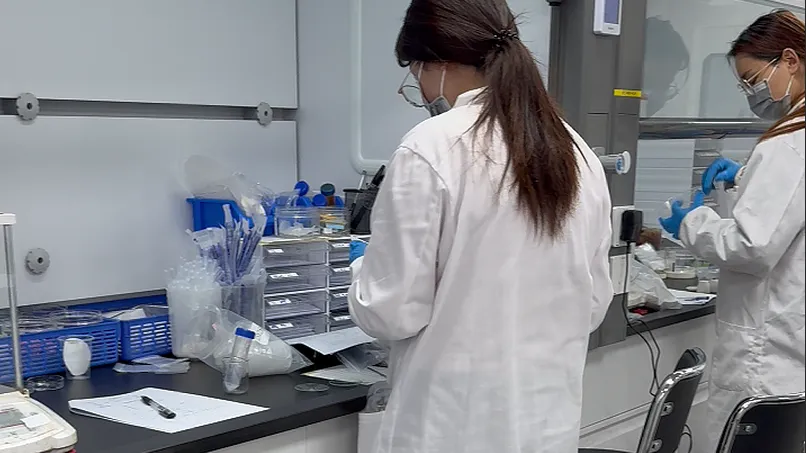
Materials Testing
Evaluate mechanical, thermal, chemical and physical properties of materials and finished products.
Explore Service
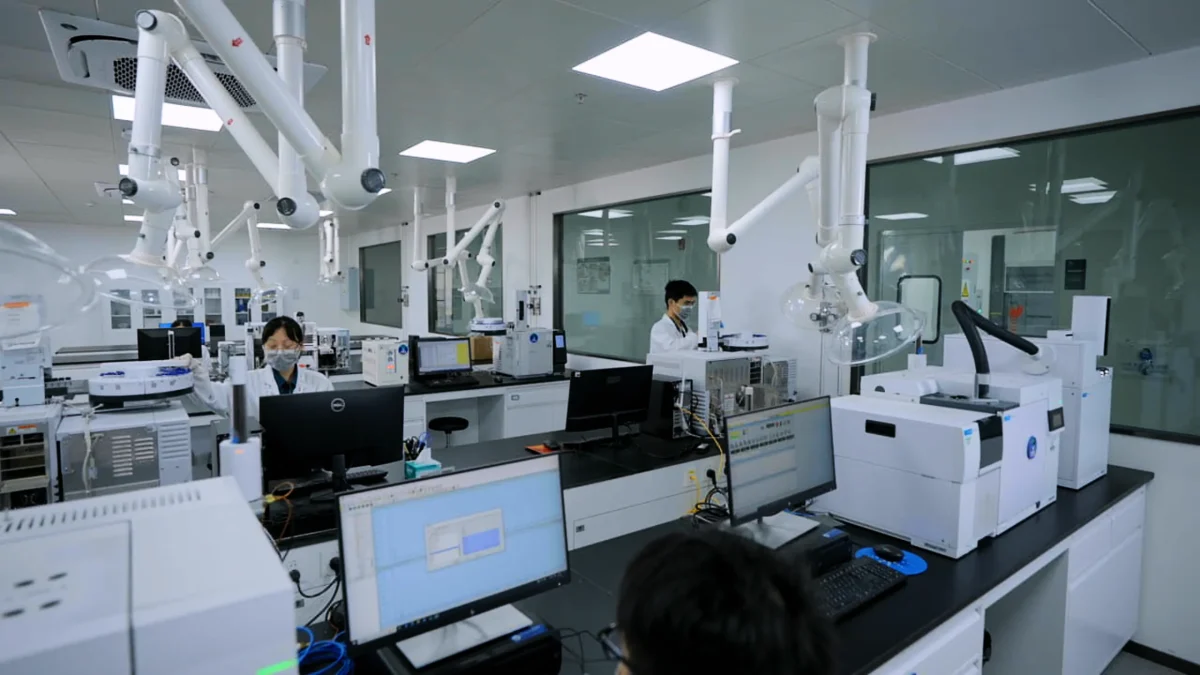
Compositional Analysis
Determine chemical substances, elements, additives, fillers and relative composition within a material.
Explore Service
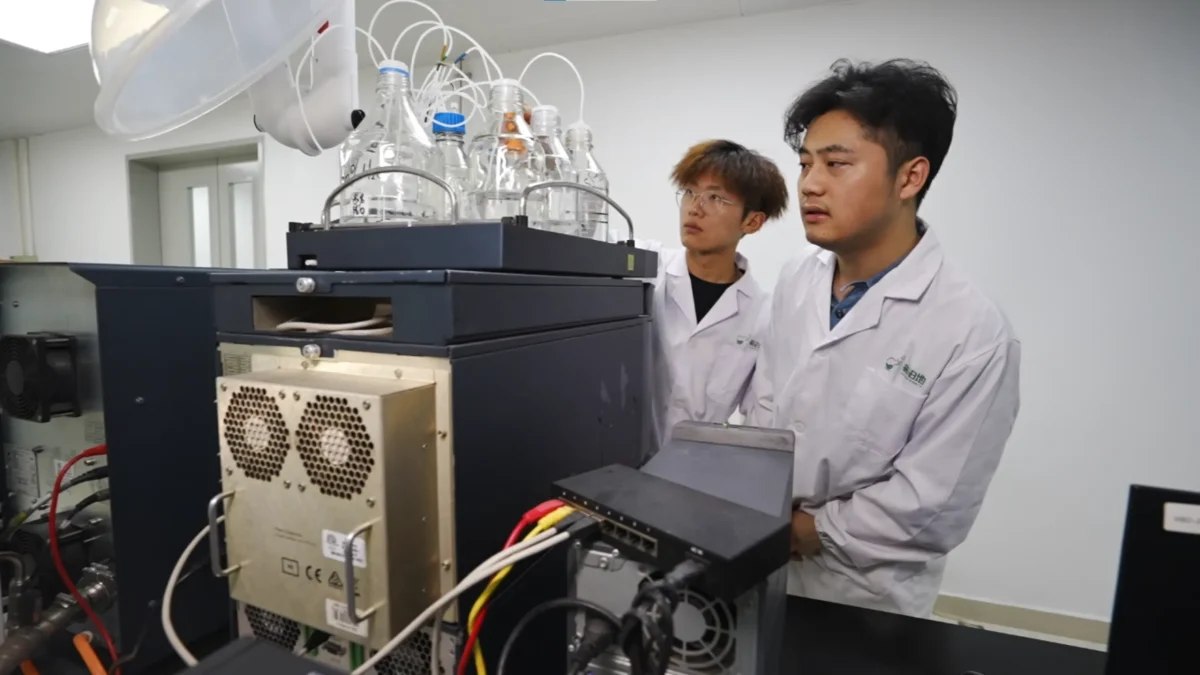
Deformulation
Analyze complex formulations to support development, benchmarking, troubleshooting and optimization.
Explore Service
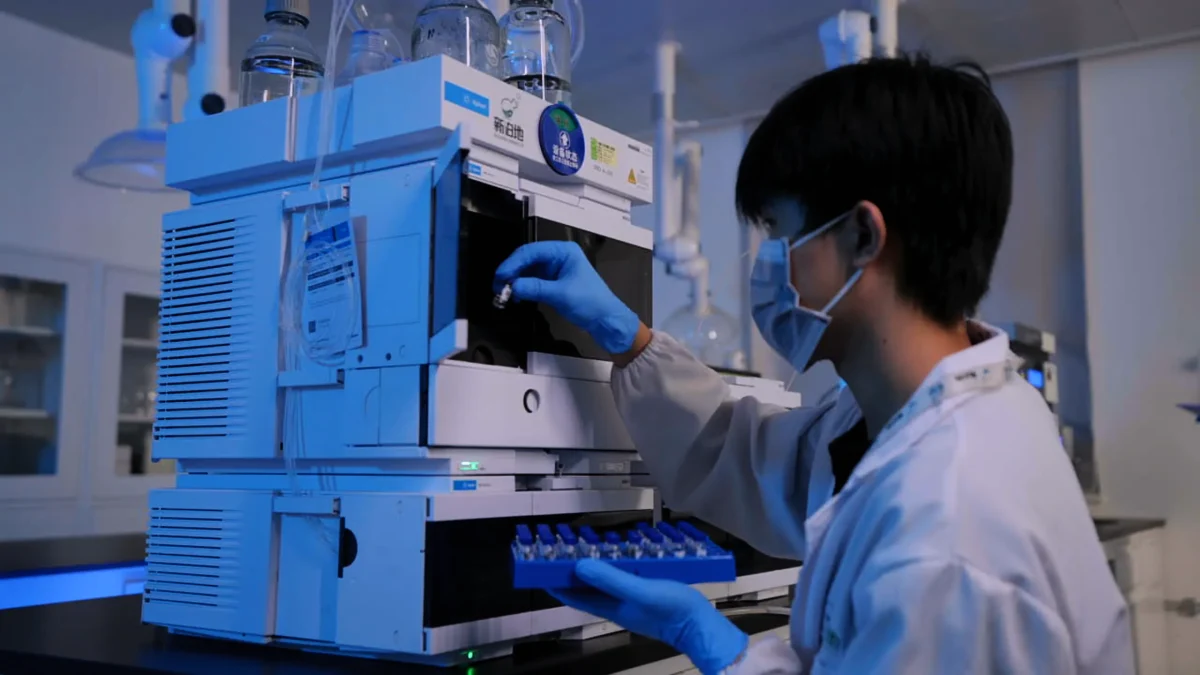
Failure Analysis
Investigate defects and performance problems to identify likely failure mechanisms and root causes.
Explore Service
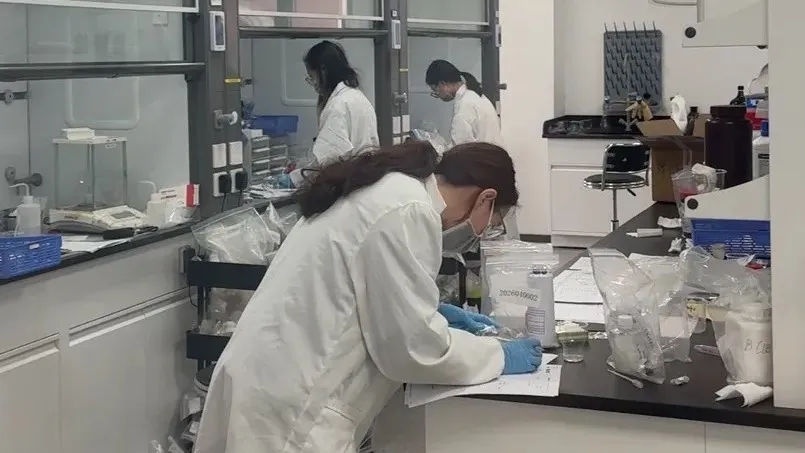
Impurity Analysis
Detect and investigate trace impurities, foreign particles, residues and unexpected contaminants.
Explore Service
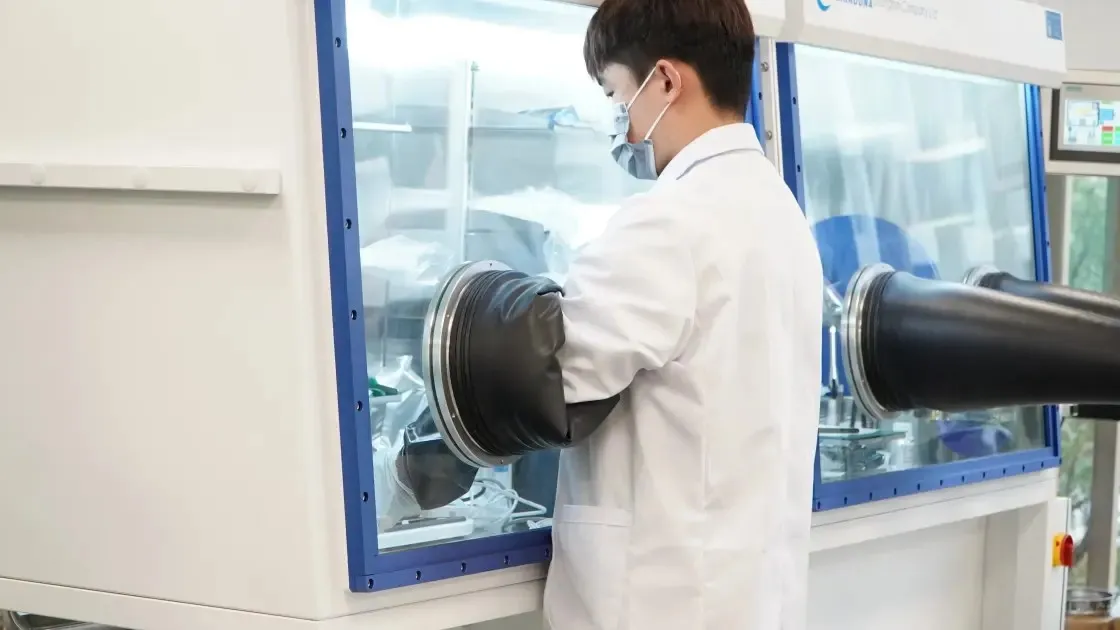
Surface Analysis
Examine surface chemistry, morphology, coatings, adhesion zones and material interfaces.
Explore Service
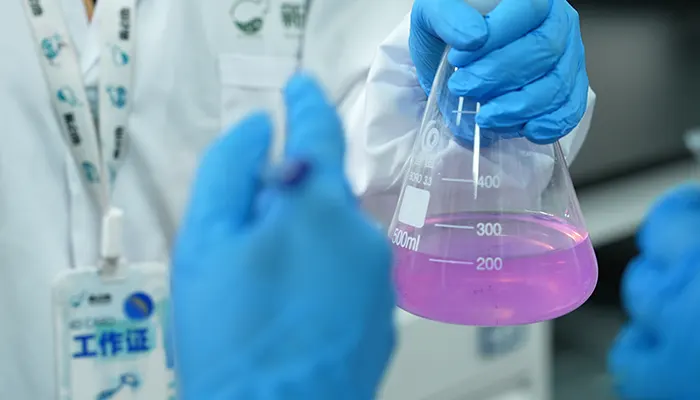
Material Identification
Identify unknown polymers, chemicals, particles, deposits and other submitted material samples.
Explore Service
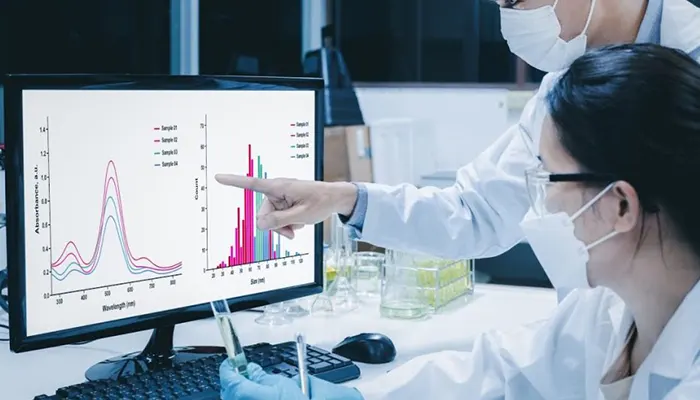
Materials Characterization
Combine analytical methods to understand structure, composition, morphology and material performance.
Explore ServiceA report built around your decision.
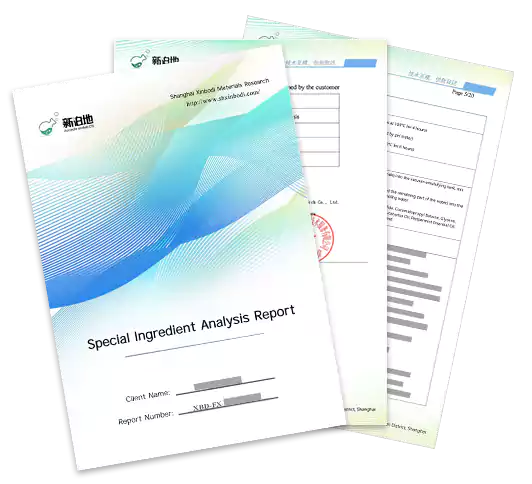
Results, visual evidence, interpretation, and recommendations are organized into one clear technical package.
Integrated interpretation based on the confirmed analytical methods.
- Composition confirmed
- Difference identified
- Next step defined
Test Results & Analytical Data
Results generated using the confirmed methods, sample preparation procedures, and test conditions defined for your project.
Images, Spectra & Supporting Evidence
Relevant micrographs, spectra, chromatograms, charts, comparison data, and other visual evidence needed to support the findings.
Integrated Technical Interpretation
A clear explanation of what the data means, how different results connect, and what the findings indicate about the material or product.
Practical Recommendations
Suggested next steps for product development, quality control, supplier evaluation, troubleshooting, or additional analysis when needed.
Industries We Support
Anysis supports material and product teams across research, manufacturing, supplier qualification and quality investigation.
From Sample to Insight
Clear testing and technical interpretation
About Anysis
Anysis provides materials testing and chemical analysis support for manufacturers, product developers, quality teams and research organizations.
We combine suitable analytical methods with practical technical interpretation to help clients understand composition, investigate failures, identify unknown materials and evaluate performance. From the initial question and sample review to testing, analysis and reporting, every step is focused on the decisions you need to make.
- Testing Plans Built Around Your Questions
- Integrated Analytical Methods
- Clear Data and Practical Reporting
- Responsive Technical Communication
What Our Clients Say
See how our materials testing and analytical services help clients solve technical challenges and make confident decisions.
Anysis provided a clear and detailed analysis that helped us identify the source of our material failure. The findings were practical and easy for our engineering team to apply.

The compositional analysis was completed efficiently, and the report clearly explained the key differences between our sample and the reference material.

Their technical team understood our testing requirements quickly and recommended the right analytical methods for our project.

The report was professionally prepared and included the data our team needed for supplier evaluation and quality control.

We needed to understand why a component was failing during service. Anysis combined several analytical techniques and helped us isolate the most likely cause.

Communication throughout the project was responsive. We always knew which tests were being performed and what information each method could provide.

The impurity analysis gave us the evidence needed to review our raw material process and discuss the issue with our supplier.

We appreciated the combination of reliable test data and clear technical interpretation. It made the results much easier to use internally.

Anysis helped us compare an unknown material with our target specification. The testing plan was well structured and focused on the questions we needed to answer.

The surface analysis results helped us understand the coating issue and adjust our production process before the next batch.

The analytical report was clear, organized, and supported by useful images and test data. It was suitable for both our technical and management teams.

Their team provided useful guidance before testing began, helping us avoid unnecessary analysis and focus on the most relevant techniques.

Laboratory Insights
Explore practical articles on materials testing, chemical analysis, and failure investigation.

Flotation Reagent Analysis
Flotation Reagent AnalysisFlotation Reagent AnalysisFlotation Reagent AnalysisFlotation Reagent AnalysisFlotation Reagent AnalysisFlotation Reagent AnalysisFlotation Reagent AnalysisFlotation Reagent AnalysisFlotation Reagent AnalysisFlotation Reagent AnalysisFlotation Reagent AnalysisFlotation Reagent AnalysisFlotation Reagent
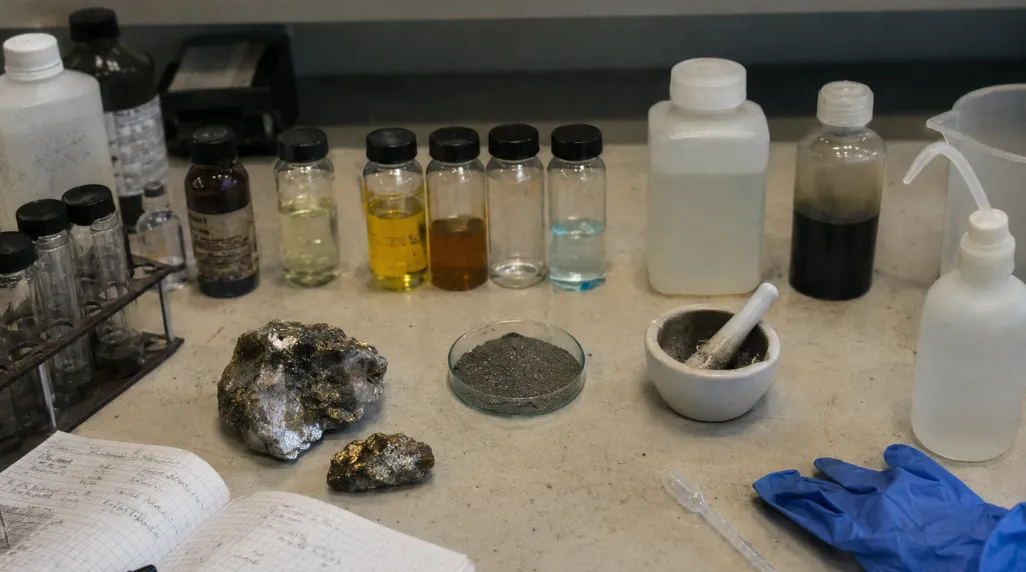
Flotation Reagent Analysis: Collectors, Frothers & Modifiers
When a flotation reagent from a new supplier produces different recovery, selectivity or froth behavior, the product name alone may not explain the problem. Differences in
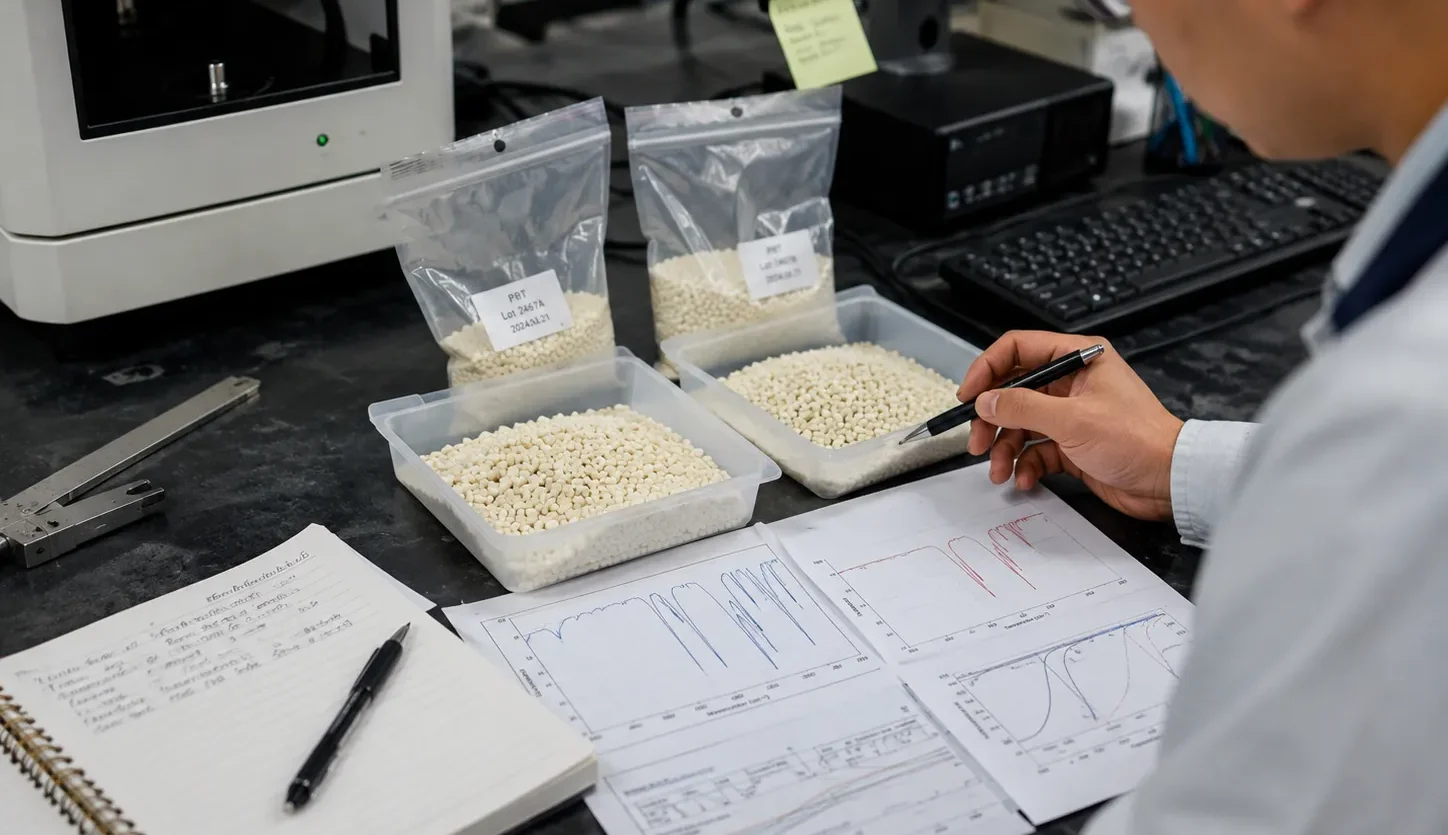
Plastic Material Comparison Analysis: Why Similar FTIR Results Can Still Hide Critical Differences
Many manufacturers assume that if two plastic materials have nearly identical FTIR or DSC results, they must be the same. In practice, this is often not
Questions About Materials Testing & Analysis?
Find answers about testing methods, sample requirements, timelines and reports. Our engineers can help you define the right approach.
What information should I provide before requesting a quote?
Please provide the sample or material type, application, observed issue, testing objective and any relevant reference samples or specifications.
How do you select the right analytical method?
Method selection depends on the sample, target substances, required detection level and the technical question. Our team reviews these factors before recommending a plan.
Can you identify a completely unknown material?
In many cases, a combination of spectroscopy, microscopy, chromatography and elemental analysis can help characterize an unknown material. Feasibility depends on the sample and required level of identification.
Can you compare normal and failed samples?
Yes. Reference samples can be particularly useful for identifying chemical, structural, surface or performance differences.
How much sample is required?
Sample quantity varies by method and material type. We will confirm the recommended quantity after reviewing the project information.
How long does testing take?
Timing depends on the analytical methods, sample preparation and project scope. An estimated schedule will be provided with the testing plan.
How is confidential information handled?
Confidentiality requirements can be discussed before samples and project documents are submitted.
Need a Clear Testing Plan?
Tell us about your material, product or technical challenge. Our team will review the information and recommend an appropriate next step.